
what is workplace burnout?
Burnout is a real concern in the accountancy sector, and it’s becoming increasingly common. Long hours, heavy workloads and high-pressure environments all play a part. But the signs are not always easy to recognise or talk about. Many accountants feel pressure to keep going, even when stress is affecting their mental health, physical wellbeing or finances. Understanding what burnout looks like is the first step towards preventing it, managing it and getting the right support.
want to talk about it?
We offer two types of emotional support, giving you space to talk things through in a way that feels right for you:

talk with an accredited therapist
Work through your situation, online or over the phone, with an accredited therapist. Offering a range of talking therapies to suit your needs.

connect online with your community
Access anonymous, community led mental health support through Qwell, available anytime, with the option to chat to accredited professionals.
experiences of burnout in the sector

63% of accountants said their work environment contributed to feelings of burnout

45% said indicators of burnout impacted their ability to work or prompted time off

54% said feelings of burnout affected their ability to maintain a healthy work-life balance
the reality of burnout in the accounting profession
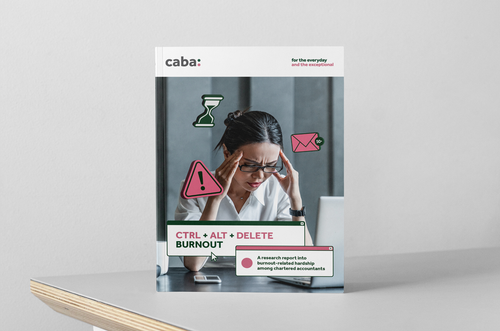
lifting the lid on the extent of the problem
We surveyed Chartered Accountants from across the UK and found that 74% have experienced indictors of burnout in the past year. Furthermore, 63% said their current work environment contributed to feelings of burnout.
The accountant burnout report examines key contributing factors and knock-on effects of burnout amongst accountants, uncovers why many do not seek help, and offers guidance to help manage accountancy burnout.
if you’re suffering from burnout, help is at hand
If you recognise yourself in the indicators and experiences of accountancy burnout, it's important that you take steps to change course, as soon as possible. While burnout is best addressed early on, before it significantly impacts your wellbeing, the next best time to act is now.
We’re here to help you find the right support for you, whether that's talking to our registered counsellors or joining our safe and confidential support community to chat to others going through similar experiences.